Photon Matrix laser mosquito killer enters mass production at $1,088
The Chinese-developed device combines LiDAR, radar, AI vision and a precision laser, but its performance claims still await independent testing.
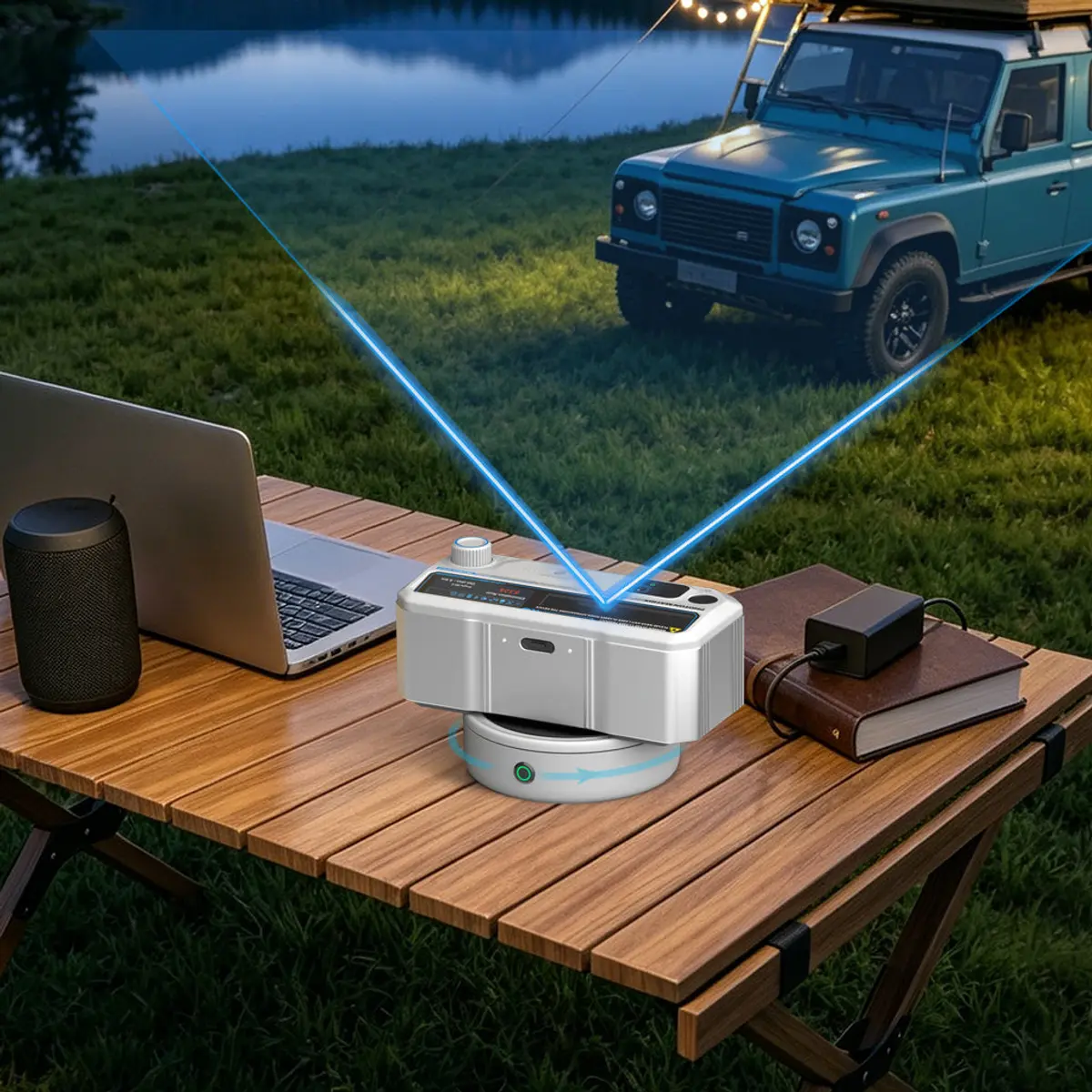
A Chinese-developed device that hunts mosquitoes with sensors and a laser has entered mass production, according to CGTN. Photon Matrix Lab’s Photon Matrix is designed to spot small flying insects, track them and fire a precision laser instead of using coils, sprays or sticky traps.
The company is taking pre-orders for blue-laser and infrared versions through its official store. The blue-laser model is listed at $1,088, reduced from a $1,288 market price, while the store says orders will ship within 120 calendar days after payment confirmation. That is a lot of money to spend on something whose intended victims weigh less than a breadcrumb.
A mosquito defence system with LiDAR and radar
Photon Matrix says the device combines LiDAR, millimetre-wave radar, an AI vision module and a precision laser. The sensors are intended to identify flying insects measuring between 2mm and 20mm, travelling at speeds of up to 1 metre per second.
The advertised effective range is a 6-metre radius, using a 90-degree horizontal fan-shaped scanning plane. The company positions the device for outdoor gardens, patios, terraces, poolside areas, camping and outdoor dining.
The blue-laser version produces a visible flash when it targets an insect. The infrared version is intended for buyers who do not want the targeting beam to be visible, although both use a laser as the final step rather than simply marking the mosquito’s location.
The specifications are impressive on paper
Photon Matrix lists power consumption of up to 20W, an operating noise level below 30dB and IP56 splash resistance. It can run from a 100–240V AC adapter, 24V DC input or a USB-C-to-DC cable connected to a compatible PD/QC power bank.
The device measures 200 by 92 by 88mm and weighs approximately 1.2kg. It can be controlled through an onboard knob or mobile app over Bluetooth and Wi-Fi. A 20,000mAh power bank is advertised as providing approximately four to five hours of operation, based on the company’s internal testing.
The manufacturer says the internal diode is an IEC 60825-1 Class 4 laser, enclosed behind multiple active safety protections. That classification is not a casual detail: Class 4 lasers can cause serious eye and skin injury and create hazards from reflections, so the enclosure, detection systems and operating environment matter enormously.
CGTN flags the missing independent testing
CGTN reports that Photon Matrix’s advertised performance figures have not yet been fully verified through independent testing. The company says it will release further testing and safety information.
The report also places the device in China’s growing mosquito-control market, alongside more conventional coils, vaporizers and traps. It compares Photon Matrix with Bzigo’s Iris, which uses computer vision and a low-intensity laser to locate mosquitoes but does not kill them.
Photon Matrix is taking the more dramatic route: detect, track and attempt to eliminate the insect. Whether it can reliably distinguish mosquitoes from other flying insects, avoid false targets and work outdoors in changing light and wind remains to be demonstrated outside the company’s own claims.
Our opinion
The Photon Matrix is wonderfully over-engineered in the way only a laser mosquito killer can be. LiDAR, radar, AI vision and a 6-metre scanning zone sound like the opening specification for a small defence satellite, not something intended to stop you being bitten during a barbecue.
The price makes this a science project for wealthy early adopters rather than a sensible household purchase. At $1,088 on the current blue-laser listing, it costs more than many excellent speakers, monitors and game consoles — and the mosquito still has the advantage of being tiny, fast and annoyingly difficult to test properly.
The Class 4 internal laser is the bigger concern. “Fully enclosed” and “active safety protection” are reassuring phrases, but buyers should wait for independent safety testing, local compliance information and clear operating guidance before putting one in a garden where children, pets, reflective surfaces and curious neighbours exist.
The idea is fascinating and the technology may eventually earn its place in high-end outdoor pest control. For now, this is an expensive pre-order with unverified performance claims and a serious laser classification. Buy it only if you are comfortable being an early tester; everyone else should stick with proven traps and repellents while Photon Matrix proves it can turn its sci-fi pitch into reliable, safe mosquito control.